
Unveiling the Mystique of Jueteng: The Unseen Dynamics of a Cultural Tradition
Jueteng is a word that resonates deeply within the socio-cultural landscape of the Philippines. This numbers game has woven itself into the very fabric of Filipino society, despite its clandestine nature. Today, we explore the fascinating world of Jueteng, a game that is more than just a mere pastime, but a cultural phenomenon.
The Origin and History of Jueteng
Jueteng traces its origins back to the time of Spanish colonization in the Philippines. Its name is derived from the Spanish word "hue" meaning game, and the Chinese "teng" meaning to wager, a testament to its hybrid cultural roots. The game quickly gained traction among the local populace, evolving from a simple betting endeavor to an integral part of community life.
The Mechanics of the Game
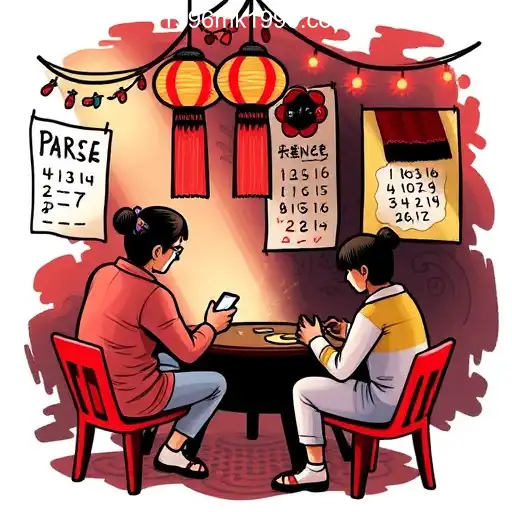
At its core, Jueteng is a numbers game where players select a combination of numbers between one and thirty-seven. A pair of numbers is drawn, and winners are declared based on their chosen digits matching the draw result. Despite its simplicity, the excitement it generates has captivated many, fostering an environment of anticipation and community engagement.
In recent years, the game has evolved with the advent of technology. Participants can now engage through various digital platforms, enhancing accessibility and convenience. Such technological advancements continue to add layers of complexity, yet maintain the essence of the game that has enamored countless individuals.
The Social Implications of Jueteng
Jueteng holds a paradoxical position within society, existing in a liminal space between acceptability and illegality. It is both vilified and celebrated, understood as a vice yet a cultural staple intertwined with daily life. Families partake in the game not only for potential financial gain but for social bonding and entertainment.
Statistics suggest that Jueteng's reach extends beyond rural areas, permeating urban centers where the excitement of winning becomes a counterbalance to daily hardships. For many, the game symbolizes hope and plays a role akin to a social equalizer, further embedding its presence within the community psyche.
The phrase 1996MK: Dive into excitement and fun daily resonates with the allure that Jueteng brings. It encapsulates the daily thrill that has become a ritualistic engagement for many, offering an escape and momentary reprieve through participation.
Political and Economic Dimensions
The governmental stance on Jueteng has been one of persistent contention. Efforts to curtail its spread often face resistance at the grassroots level, where enforcement is challenged by its deep-rooted significance. Politicians have been known to leverage Jueteng operations during elections, further complicating its legal implications.
Economically, the game functions within a gray area, creating an underground economy that thrives on its operations. It provides livelihoods, albeit informal, for many—runners and collectors—who participate in its daily activities. This informal sector inadvertently supports local economies, which inadvertently complicates regulatory efforts.
Cultural Perspectives and Future Prospects
The cultural significance of Jueteng is intricate, reflecting the nuances of Filipino identity and resilience. It stands as a testament to adaptability, manifesting through various forms over decades. Its societal role continues to provoke discussions across cultural and economic spectrums, inviting questions on how tradition and legality entwine.
Looking forward, there is potential for a shift towards more structured forms of gaming that retain cultural elements while aligning with legal standards. Such transitions could bridge the existing gap between its cultural acceptance and the push for modernization and legality.
In conclusion, Jueteng is far from being a mere numbers game. It is a cultural entity that poses significant challenges and opportunities, a reflection of a complex social structure that thrives on its unpredictability and shared history.